Origin of Fivemile Hill cuisine: Transforming our lives through food

Food and water are fundamental needs that we share with all other living creatures. To care about eating well is to express love and respect for oneself and others.
We set out to transform our lives in order to live in harmony with nature, help restore biodiversity, become more independent, and create unforgettable experiences at home. We started with the food we eat.
The culinary domain is an excellent starting point to add meaning and taste in our lives, to help restore biodiversity through the food choices we make, and to become more independent by cooking ourselves.
The COVID-19 pandemic as catalyst for life transformation
We grew up in European and Asian cultures where meals are cherished family time and where it is important to take the time to cook and eat together. Thanks to this upbringing, we never developed a taste for junk foods or ultra-processed foods, and knew the basics of cooking. However, before the pandemic, we frequently ate at restaurants and bought packaged foods. During the COVID-19 pandemic, we stopped eating out and buying packaged foods completely. Instead, we prepared and cooked everything we ate using only unprocessed or minimally-processed ingredients of good quality.
As the pandemic improved, we went back to our favorite restaurants and were surprised to find that their food did not taste the same as before and no longer delighted us. It was as if we noticed for the first time all the excess fat, sugar, salt, and artificial ingredients most restaurants use to make their food palatable and compensate for low-quality ingredients. Eating our own food made with high-quality ingredients reset our palate and made it much more sensitive to both good and bad flavors.
Therefore, we decided to continue cooking and improve further. Specifically, we set out to achieve two goals:
- Eat a tasty, healthy, and sustainable diet on a regular basis.
- Create unforgettable culinary experiences at home.
Goal 1: Eat a tasty, healthy, and sustainable diet
At first, this goal seems impossible to achieve. Healthy and tasty are often seen as opposites. The words healthy and sustainable are used in a myriad of misleading marketing claims and fad diets. Therefore, we had to first understand what tasty, healthy, and sustainable mean. We studied extensively reputable scientific publications on health and sustainability. To understand the fundamentals of good taste, we cooked a wide range of traditional foods from different cultures and also looked for parallels between culinary and other art forms.
What is healthy? The purpose of healthy food is to nourish and empower the body and mind to perform at their best for the long run. Good nutrition comes from eating a balanced, varied, plant-rich diet that provides all the nutrients we need and supports the health and biodiversity of our gut microbiome.
What is sustainable? Sustainable food is made with ingredients that are grown, raised, or harvested in a respectful way that does not deplete natural resources, does not harm natural ecosystems, treats animals ethically, and supports biodiversity.
What is tasty? Great taste is created with high-quality natural ingredients, cooked in a way that brings out their best flavors, and combined with balance and harmony to create recipes and culinary compositions. Subjective taste (what we like or not) is the product of our eating habits. It is not fixed and can be shaped. What we find tasty changes as we eat better food. Soon, unhealthy or highly-processed foods we used to love become unappealing.
Our key learning from this process is that great biodiversity, supported by sustainable food production, is the key to great taste and great nutrition. Great biodiversity of micro-organisms, plants, and animals in soils, lands, and waters produces great food ingredients bursting with flavor and rich in nutritious and healthy compounds. Examples include regenerative-organic heirloom grains and vegetables, sustainable wild seafood, or pasture-raised heirloom chicken eating their natural foods.
Therefore, we designed Fivemile Hill cuisine to fit a balanced, varied, and plant-rich diet supporting human and planet health.
Goal 2: Create unforgettable culinary experiences at home
Being able to eat delicious, nutritious, and sustainable food on a regular basis was a big step forward, but we felt that we were still missing something.
We dived into the worlds of wine and sake to better understand the nature and variety of these drinks and how to select the best pairing for a meal. We reflected on memories from exceptional family meals and fine-dining restaurants to identify the non-food components that contribute to make a culinary experience unforgettable. We realized that it requires not only great food, skillfully prepared and offering a perspective, but also thought and care in the meal structure, dinnerware, table setting, and room atmosphere. A great meal experience induces people to be in the moment, feel at ease, take the time to eat, and have sincere meaningful conversations.
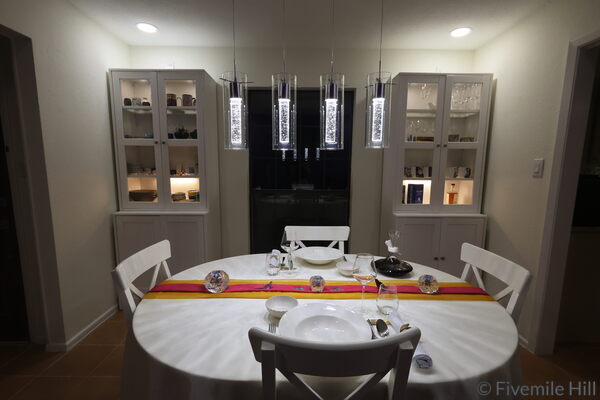
Therefore, we refined our meal structure and presentation. We realized that we had bought plates, glasses, and tableware with no thought on whether they fit each other or the food we eat. We gradually replaced them with carefully chosen items that form a harmonious ensemble showcasing the spirit of our cuisine. When we moved to San Antonio into a 50-year-old house that we renovated completely ourselves, we took the opportunity to create indoor and outdoor dining spaces, as well as a kitchen and BBQ space, that fit our culinary style.

After all these changes, we now create our most cherished culinary experiences at home. This is where I prefer to celebrate special occasions.
Fivemile Hill is an impressionist cuisine
The philosophy of Fivemile Hill cuisine can be summarized as impressionist cuisine. It mirrors and adapts key aspects of 19th-century Impressionism. It aims for excellence without the formality of classical haute cuisine. It is a gourmet home cuisine simple enough to cook without a kitchen brigade.
| 19th-century Impressionism | Fivemile Hill impressionist cuisine |
|---|---|
|
Portray nature and normal people. |
Celebrate natural and traditional ingredients. |
|
Capture authentic moments. |
Make the essence of natural ingredients shine. |
|
Plein-air (outdoors) painting |
Outdoor cooking with wood fire. Garden-to-table: Grow some of the food we eat. |
|
International movement |
The multicultural marriage of different culinary traditions to create new flavors. |
|
Approachable |
Food that is inviting and makes us feel at ease and eager to eat. |
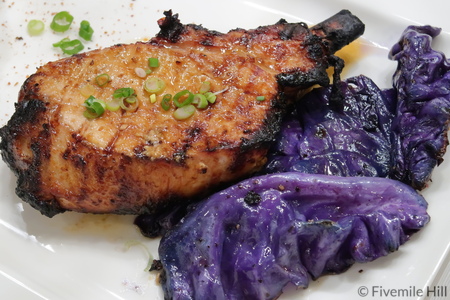
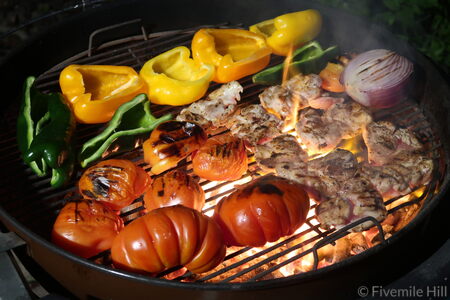

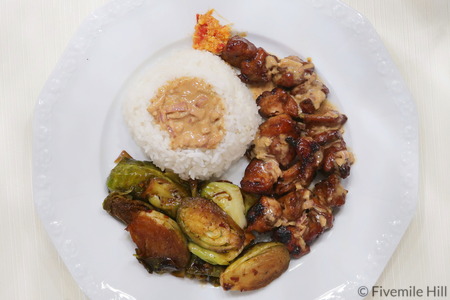
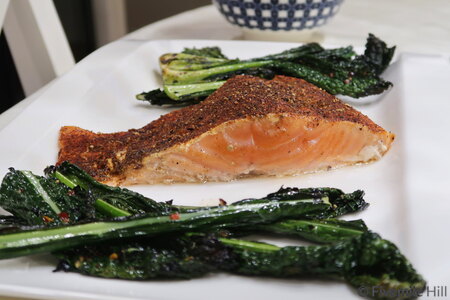

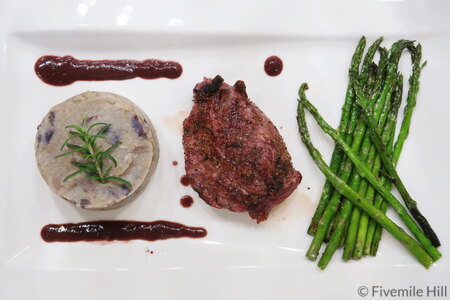
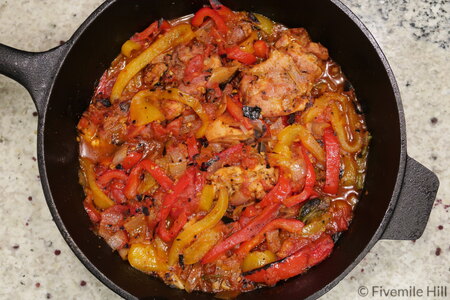

Fivemile Hill cuisine is a gourmet wood-fire cuisine using natural heirloom ingredients, fit for the Texas Hill Country environment, inspired by tropical, Asian, and Mediterranean traditions.
Planting the seeds of life transformation through food
Fivemile Hill cuisine is the result of five years of study, research, daily cooking, experimentation, and creative design. Making and eating our own food has taught us many valuable lessons, insights, and methods to create lasting life benefits.
Connection to nature: We understand better the wide range of foods that exist. We appreciate deeply natural ingredients and their virtues. We feel connected to nature and things that grow through what we eat. This sparked our desire to start growing some of our food in our garden. We carefully plan what we eat and have reduced our food waste to almost zero.
Cultivating independent judgment: We are better able to judge things for ourselves, be discerning about the quality of food and ingredients, and select what is best for us. We pay little attention to ratings, reviews, trends, and marketing claims. We can identify and appreciate undervalued gems (and get a lot more value for our money).
Better health: Improving our taste led to improving our health. By increasing the variety of foods we eat, especially plants, and eating more foods with great taste and high nutritional value, we lost our taste for unhealthy foods and are no longer tempted by them. Therefore, it was easy to adopt healthy eating habits. We eat less and less often, because our food is more nourishing and satiating. Each of us lost 10 lbs without trying. Overall, we feel better, sleep better, have more energy, and are less stressed.
Nurture meaningful bonds with others: We make time everyday for something meaningful. Taking the time to eat and cook together has deepened our marriage and connects us to other people in person and across space and time. As immigrants with extended family in other continents, we cultivate our multicultural heritage and traditions through the food we prepare.
Gateway to outdoor living: Wood-fire cooking has increased the amount of time we spend enjoying the outdoors at home. As a result, we discovered and learned about the wildlife living or visiting our garden. This sparked a desire to live closer to nature and restore biodiversity in our backyard, by creating healthy and resilient outdoor living spaces shared by humans and local wildlife. This eventually led to our purchase of rural undeveloped land in the Texas Hill Country.
The joy of creativity: We experience regularly the joy of creativity. There is something particularly delightful about eating delicious foods that we made ourselves and tastes better than fine restaurant food. This is a great way to shine with family, friends, and guests.
Design of living spaces: Our cuisine helped improve our living space. It shaped how we designed our new dining and cooking spaces when we renovated our house. As a result, we have a beautiful and functional kitchen, a functional BBQ area blending aesthetically with our garden, a spacious dining patio, and a beautiful dining room.